Understanding Conventions in Design
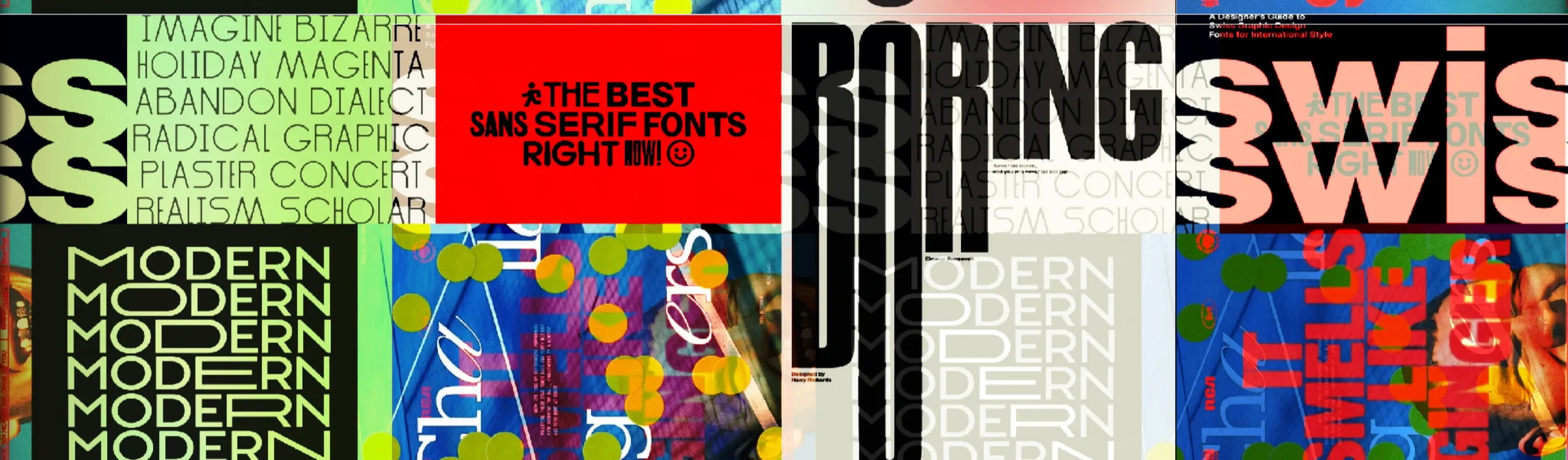
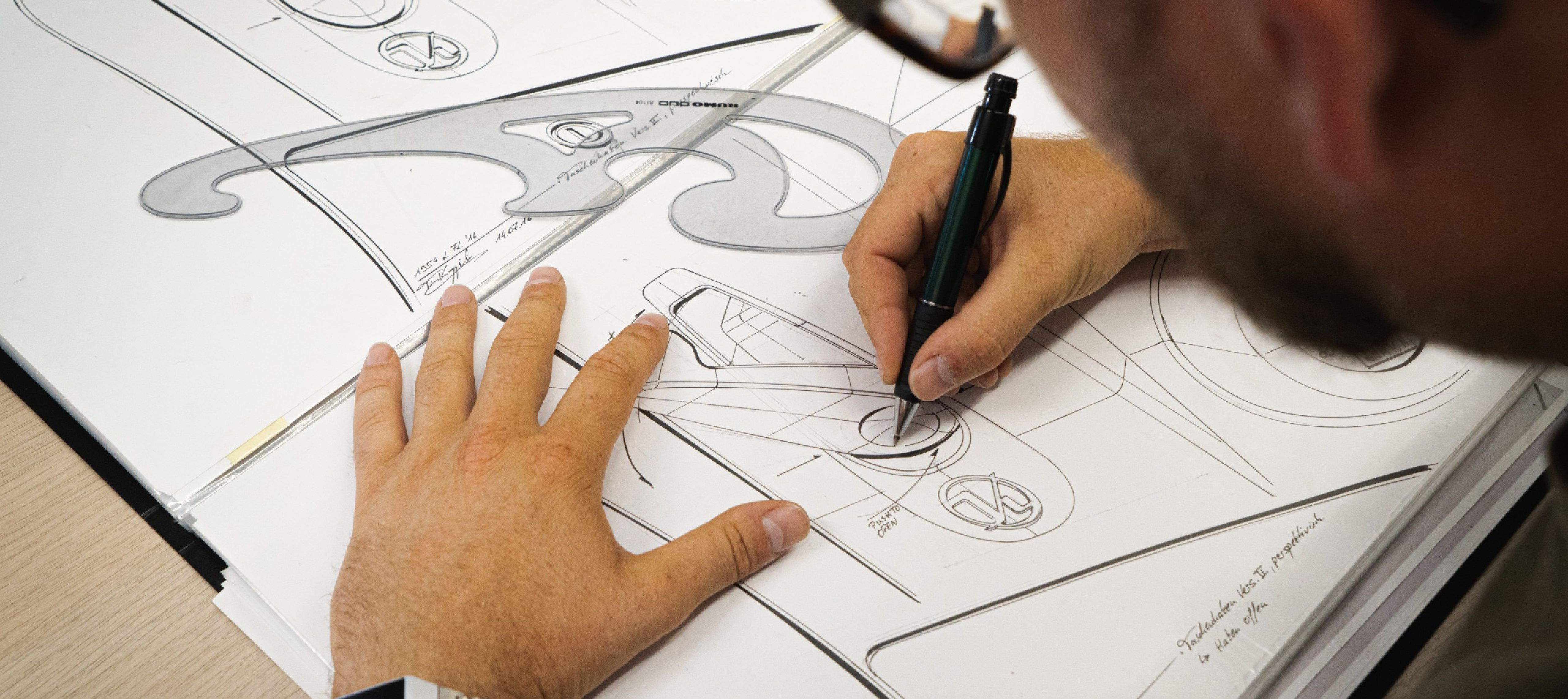
Conventions in design are widely accepted norms, practices, and standards that have been established over time. They provide consistency, familiarity, and ease of use for users. However, adhering to conventions can sometimes limit creativity and result in predictable designs. Breaking conventions involves questioning and challenging these established norms to pave the way for fresh and innovative design solutions.
The Benefits of Breaking Conventions
Differentiation: By breaking conventions, designers can differentiate their work from competitors. Unconventional approaches can make designs stand out, capturing attention and creating a unique brand identity.
Innovation and Creativity: Breaking conventions sparks creativity and fosters innovative thinking. It encourages designers to explore new ideas, experiment with unconventional techniques, and push the boundaries of what is considered "normal."
Memorable Experiences: By challenging norms, designers can create memorable experiences for users. Unconventional design approaches can surprise, delight, and leave a lasting impression, enhancing user engagement and brand recall.
Research and Understanding
Before breaking conventions, it is essential to conduct thorough research and gain a deep understanding of the target audience, industry trends, and user expectations. This knowledge serves as a foundation for informed decision-making and ensures that unconventional design choices align with the goals and preferences of the intended audience.
Contextual Relevance
While breaking conventions is about embracing uniqueness, it is crucial to maintain contextual relevance. Designers should consider the purpose, function, and usability of their designs to ensure that unconventional elements or approaches serve a meaningful purpose and enhance the user experience.
User-Centric Design
Designers must always keep the end user in mind when breaking conventions. User-centric design principles, such as usability, accessibility, and intuitive interaction, should remain at the core of unconventional design choices. Balancing innovation with user needs ensures that breaking conventions does not compromise the effectiveness or usability of the final design solution.
Experimentation and Iteration
Embracing unique design approaches requires experimentation and a willingness to iterate. Designers should be open to trying new techniques, exploring uncharted territories, and accepting that not all ideas will work. Iterative design processes allow for refinement and improvement, ensuring that unconventional design choices result in successful outcomes.
Case Studies and Examples
Examining real-world case studies and examples of designers who have successfully broken conventions can provide valuable insights and inspiration. Exploring diverse industries, such as graphic design, product design, and user interface design, showcases how breaking conventions can lead to groundbreaking and influential design solutions.
Conclusion
Breaking conventions in design is a pathway to innovation, differentiation, and memorable experiences. By challenging established norms, designers can unleash their creativity, push the boundaries, and create designs that captivate and engage their audience. However, it is crucial to conduct research, maintain contextual relevance, prioritize user-centric design principles, and embrace experimentation to ensure successful outcomes. By daring to break conventions and embracing unique design approaches, designers can leave a lasting impact and shape the future of design.