Designers today find themselves at the forefront of a rapidly changing landscape. With the rise of digital platforms, emerging technologies, and evolving consumer expectations, the role of designers has expanded beyond traditional boundaries. It is no longer sufficient to merely create aesthetically pleasing visuals; designers must now craft seamless and intuitive experiences that engage and delight users. To thrive in this dynamic environment, designers must embrace innovation, push their creative boundaries, and develop a deep understanding of human behavior. In the following sections, we will delve into practical strategies and mindset shifts that can empower designers to not only survive but truly excel in their careers.
Cultivate a Growth Mindset
A growth mindset is the foundation for personal and professional development. Embrace the belief that abilities and skills can be developed through dedication and effort. Adopt a positive attitude towards feedback, criticism, and failures. Learn from setbacks, iterate on your designs, and constantly seek new challenges to expand your horizons.
Hone Your Technical Skills
Designers must continuously refine their technical abilities to stay relevant. Keep up with the latest design tools, software, and industry trends. Regularly explore new techniques and experiment with different design styles. Attend workshops, webinars, and conferences to learn from industry experts and collaborate with fellow designers. Strengthening your technical skills will not only enhance your creativity but also open doors to exciting opportunities.
Develop a Deep Understanding of Users
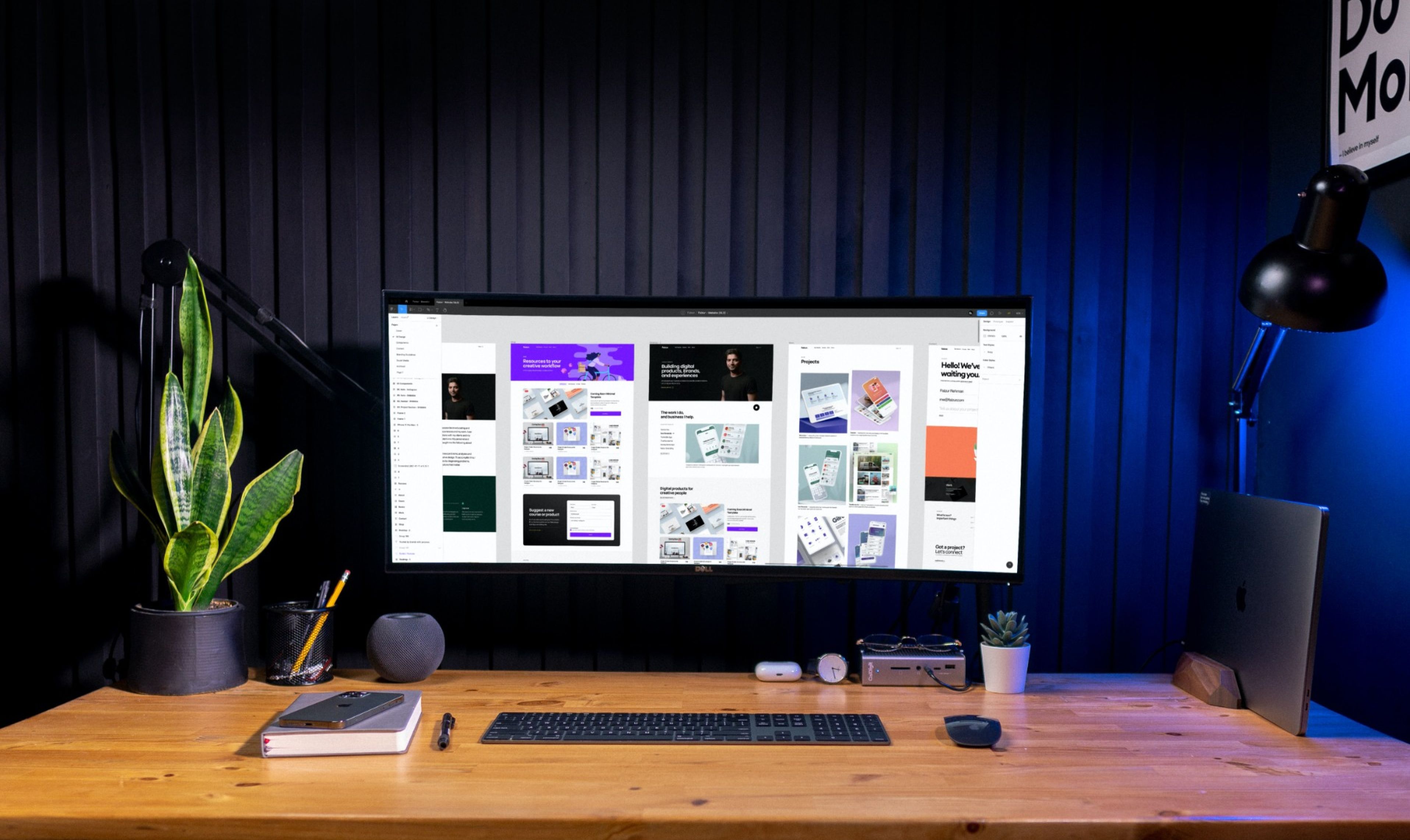
Design is not just about aesthetics; it's about solving problems and improving user experiences. Invest time in understanding your target audience, their needs, and pain points. Conduct user research, analyze data, and gather feedback to inform your design decisions. By empathizing with users and designing with their perspectives in mind, you can create meaningful and impactful designs that truly resonate with your audience.
Embrace Collaboration and Feedback
Design is rarely a solitary endeavor. Collaborate with multidisciplinary teams, including developers, marketers, and product managers, to gain diverse insights and leverage collective expertise. Actively seek feedback from colleagues, mentors, and even users. Constructive criticism can help you refine your work, challenge assumptions, and push boundaries. Being open to collaboration and feedback fosters a culture of continuous improvement and growth.
Stay Curious and Experiment
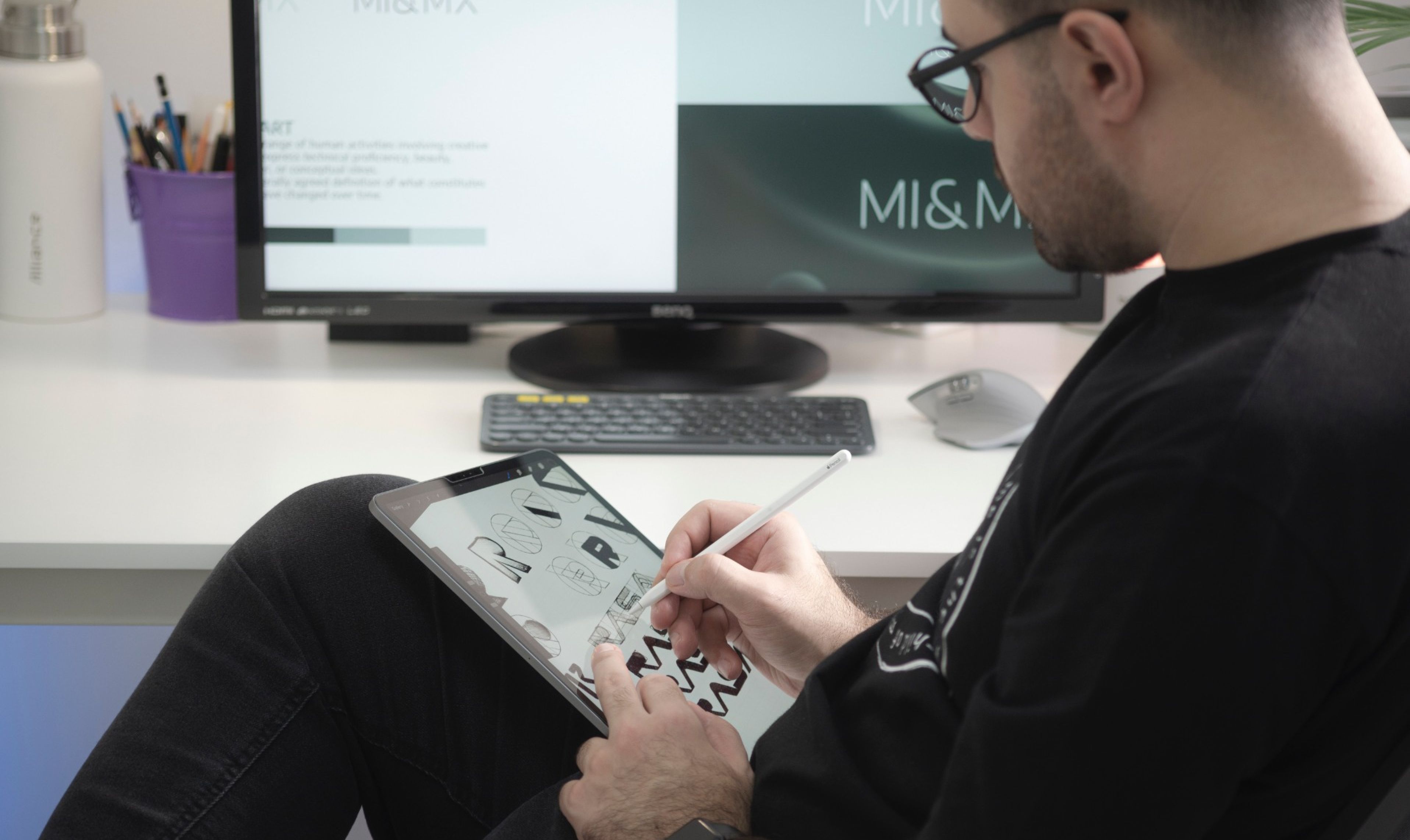
Design is an ever-evolving field, so it's essential to stay curious and embrace a spirit of experimentation. Explore different design disciplines, such as user interface (UI), user experience (UX), branding, and typography. Challenge yourself to tackle projects outside your comfort zone to expand your skill set. Dedicate time to personal projects that allow you to explore new ideas and push the boundaries of your creativity.
Network and Build Relationships
Networking is a powerful tool for career growth. Attend design meetups, conferences, and industry events to connect with fellow designers and professionals. Engage in online communities, forums, and social media platforms to share your work, exchange ideas, and learn from others. Building a strong professional network can lead to collaborations, job opportunities, and invaluable mentorship.
Conclusion
Thriving as a designer is a lifelong journey that requires continuous learning, adaptability, and a passion for creativity. By cultivating a growth mindset, honing technical skills, understanding users, embracing collaboration, and staying curious, designers can unlock their full potential. Remember to build a strong portfolio, network with fellow designers, and maintain a healthy work-life balance. With dedication and perseverance, you can thrive in the dynamic and rewarding world of design, leaving a lasting impact with your creativity.